
Alopecia Areata
Alopecia Areata is an autoimmune condition that causes sudden, patchy hair loss on the scalp and other areas of the body. At Skin World Clinic, our specialists provide targeted treatments to suppress the autoimmune response, encourage hair regrowth, and prevent further hair loss. Our comprehensive approach combines evidence-based therapies with personalized care to help you regain hair and restore confidence.
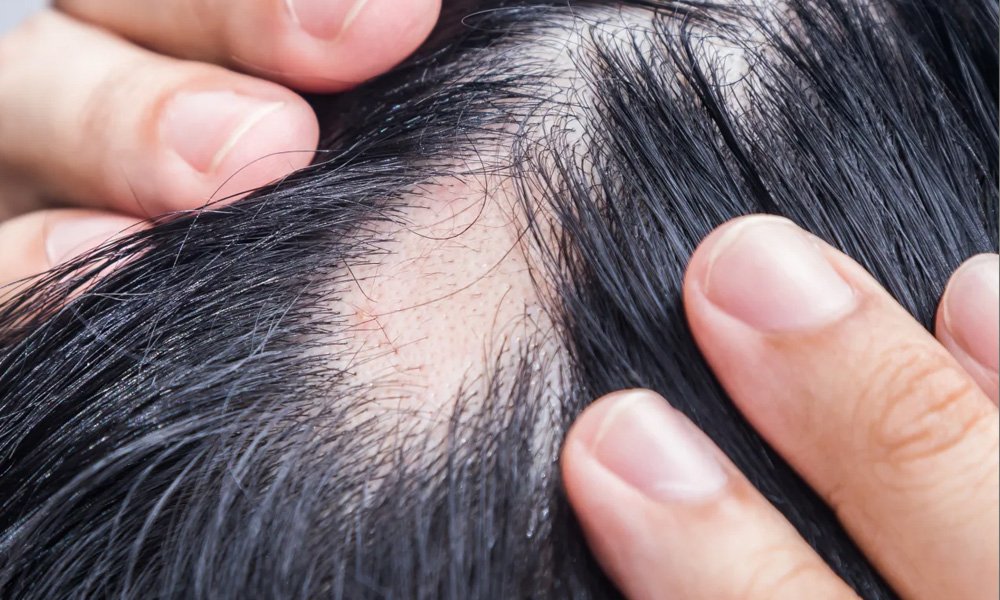
Hair & Scalp Assessment
Treatment begins with a comprehensive examination of your scalp, hair density, hair loss pattern, medical history, and overall health. This detailed assessment helps our specialists recommend the most effective and personalized treatment approach.
- Autoimmune Assessment: Identifies immune triggers affecting hair follicles.
- Patch Analysis: Evaluates the size, number, and location of bald patches.
- Scalp Biopsy if Required: Confirms diagnosis and rules out other causes.
- Customized Treatment Plan: Tailored therapy to stimulate regrowth.
Benefits of Alopecia Areata Treatment
Early diagnosis and targeted treatment can significantly slow hair loss, restore hair quality, and improve your overall confidence and quality of life.
-
Immune Response Control
Therapies to calm the autoimmune attack on hair follicles.
-
Hair Regrowth
Stimulates dormant follicles to resume healthy hair growth.
-
Improved Confidence
Restores appearance and emotional well-being.