Eyebrow Hair Transplant
Eyebrow hair transplant restores sparse, thin, or completely absent eyebrows caused by over-plucking, scarring, medical conditions, or genetics. At Skin World Clinic, our specialists use meticulous technique to recreate natural, well-defined eyebrows that complement your facial features, ensuring precise hair direction and density for beautiful, long-lasting results.
Procedure Overview
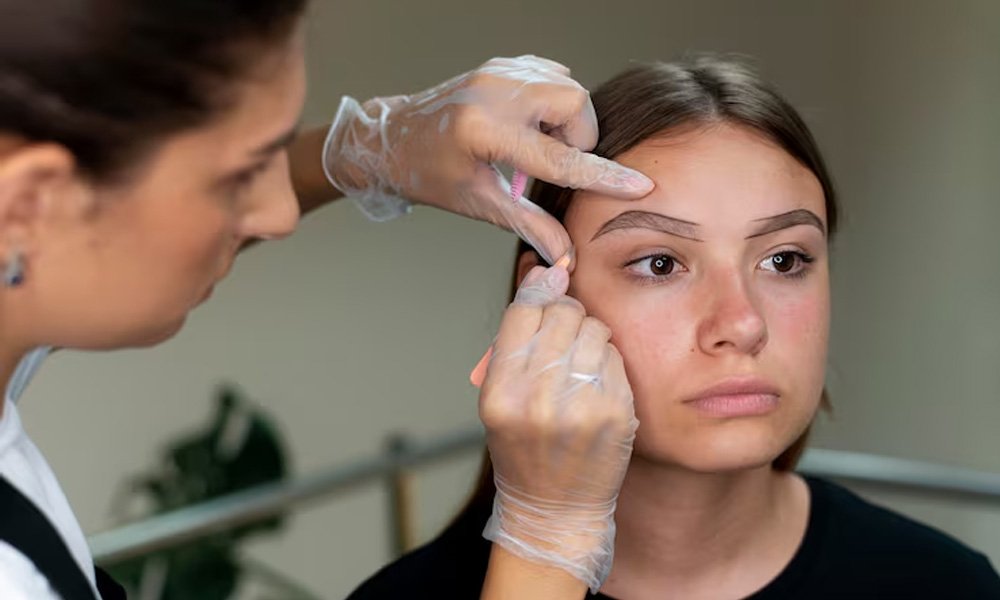
Our specialists conduct a thorough consultation, reviewing your hair loss history, scalp condition, donor area availability, and overall health to design the most suitable and effective treatment plan tailored to your individual goals.
- Eyebrow Shape Design: Custom eyebrow mapping to complement your facial structure.
- Fine Follicle Selection: Selecting the finest scalp hairs to match natural eyebrow texture.
- Angle-Precise Implantation: Every follicle placed at exact angles for natural growth.
- Detailed Post-Care Instructions: Guidance for proper healing and optimal definition.
Benefits of Eyebrow Hair Transplant
Our experienced team delivers natural-looking, long-lasting results using state-of-the-art techniques and a patient-centered approach to hair restoration.
-
Natural Eyebrow Reconstruction
Recreates full, naturally shaped eyebrows tailored to your features.
-
Permanent Definition
Transplanted eyebrow hair continues to grow naturally for life.
-
Youthful, Balanced Appearance
Well-defined eyebrows dramatically enhance overall facial aesthetics.