Hair Loss Associated With Systemic Diseases
Hair loss associated with systemic diseases—such as thyroid disorders, diabetes, lupus, or anaemia—requires a holistic approach that treats both the underlying condition and its effects on the hair and scalp. At Skin World Clinic, our specialists coordinate comprehensive care to manage systemic triggers and promote hair recovery through evidence-based, medically supervised treatments.
Hair & Scalp Assessment
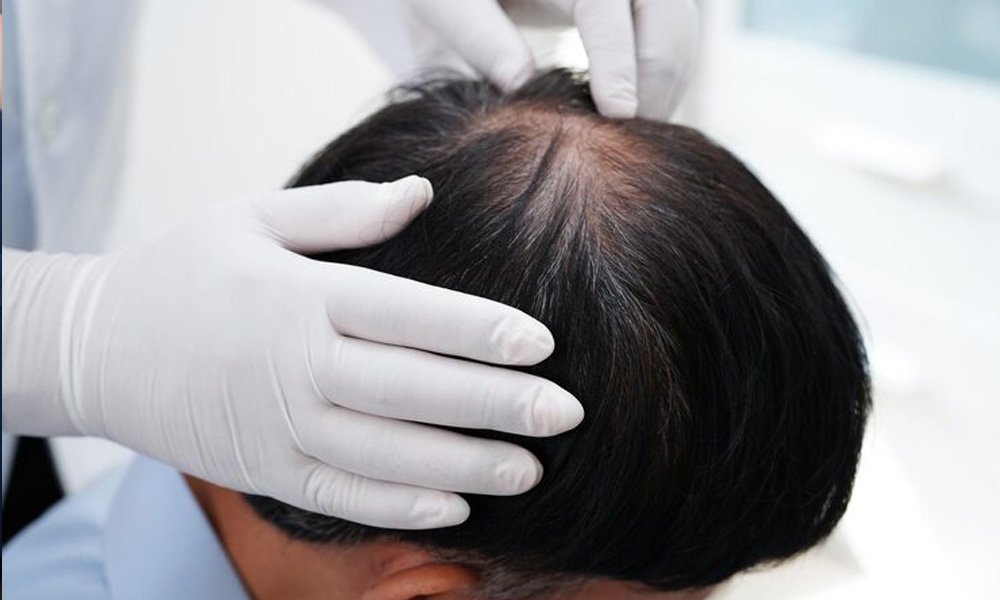
Treatment begins with a comprehensive examination of your scalp, hair density, hair loss pattern, medical history, and overall health. This detailed assessment helps our specialists recommend the most effective and personalized treatment approach.
- Systemic Disease Screening: Identifies underlying conditions contributing to hair loss.
- Coordinated Medical Care: Works alongside your physician to manage root causes.
- Scalp & Follicle Health Review: Assesses damage caused by systemic illness.
- Integrated Treatment Plan: Combines medical management with hair restoration therapies.
Benefits of Hair Loss Associated With Systemic Diseases Treatment
Early diagnosis and targeted treatment can significantly slow hair loss, restore hair quality, and improve your overall confidence and quality of life.
-
Disease-Linked Hair Loss Control
Manages hair loss by treating the underlying systemic condition.
-
Follicle Recovery Support
Promotes the return of healthy hair growth after systemic illness.
-
Holistic Well-Being
Improves both overall health and hair appearance simultaneously.