
Telogen Effluvium
Telogen Effluvium is a common form of temporary hair loss that occurs when a significant number of hair follicles enter the resting (telogen) phase prematurely. This condition is often triggered by stress, illness, hormonal changes, nutritional deficiencies, childbirth, surgery, or certain medications. At Skin World Clinic, our specialists identify the root cause and provide personalized treatments to reduce excessive shedding and restore healthy hair growth.
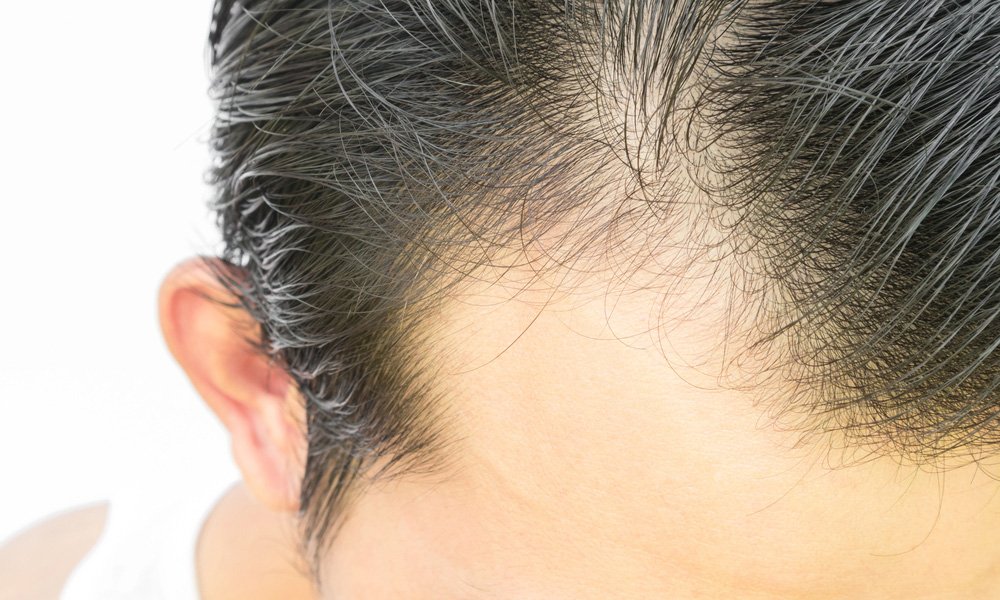
Diagnosis & Evaluation
Accurate diagnosis is essential for successful treatment. Our specialists perform a thorough scalp examination, review your medical history, lifestyle factors, dietary habits, and conduct necessary laboratory investigations to identify the underlying trigger causing excessive hair shedding.
- Hair Fall Assessment: Evaluates severity and pattern of hair shedding.
- Nutritional Screening: Identifies vitamin and mineral deficiencies.
- Hormonal Evaluation: Detects thyroid, hormonal, or metabolic imbalances.
- Personalized Treatment Plan: Tailored to your specific condition and triggers.
Benefits of Telogen Effluvium Treatment
With timely intervention and proper management, most patients experience a reduction in hair fall, improved scalp health, and gradual restoration of hair density.
-
Treats Root Cause
Addresses underlying medical, hormonal, or nutritional triggers.
-
Reduces Excessive Hair Fall
Helps control ongoing shedding and promotes follicle recovery.
-
Promotes Hair Regrowth
Supports healthier, stronger, and fuller hair growth.