
Blepharophimosis
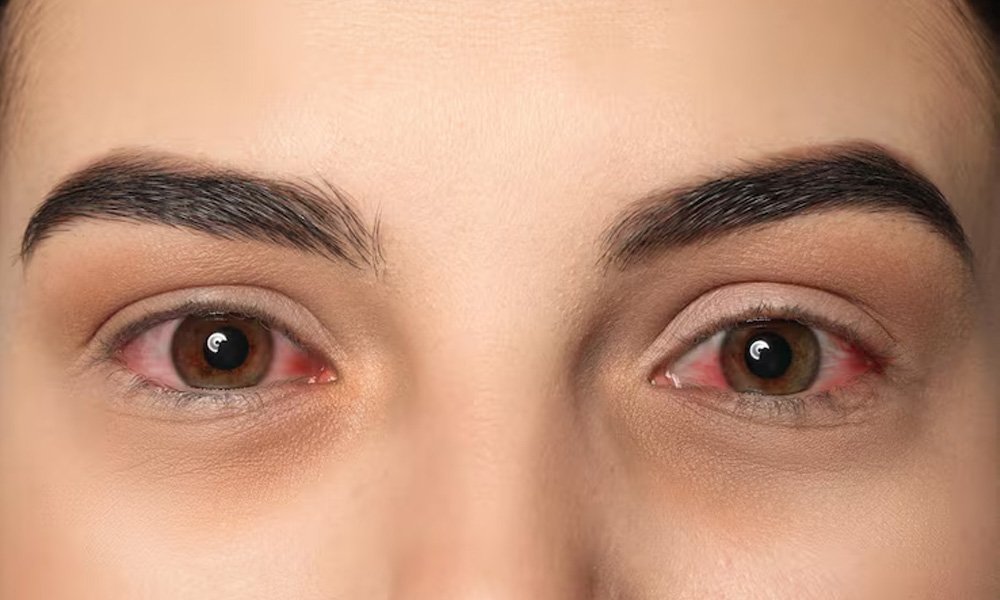
Blepharophimosis syndrome (BPES) is a congenital condition characterized by a horizontally narrow eye opening, drooping upper eyelids, and epicanthal folds. Surgical correction widens the eye aperture, corrects ptosis, and restores both visual function and natural appearance.
Staged Surgical Planning
Treatment is carefully planned in stages to first correct the epicanthal folds and telecanthus, followed by ptosis repair, ensuring the best functional and cosmetic outcomes for each patient.
- Epicanthoplasty: Releases epicanthal folds to widen the eye opening.
- Ptosis Repair: Corrects drooping upper eyelids to improve vision.
- Telecanthus Correction: Repositions the medial canthal tendons.
- Frontalis Sling: Used when levator muscle function is severely reduced.
Benefits of Blepharophimosis Correction
Improves visual development, prevents amblyopia, and creates a more open, symmetrical eye appearance for improved quality of life.
-
Wider Eye Opening
Enlarges the horizontal and vertical palpebral aperture.
-
Vision Protection
Prevents lazy eye and promotes normal visual development.
-
Improved Appearance
Creates natural-looking, symmetrical, and open eyes.